Hyundai could add hybrid car production to $7.6B Georgia plant

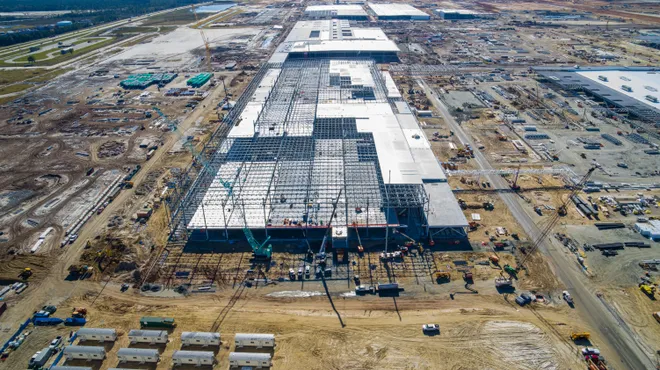
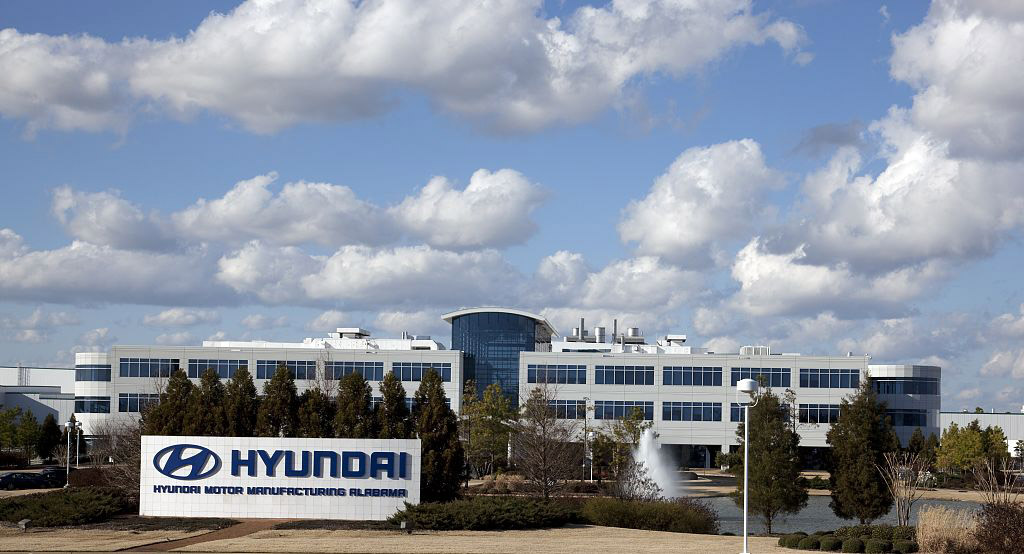
Hyundai Motor Group leaders are re-evaluating whether its forthcoming $7.6 billion factory in Coastal Georgia should only produce electric vehicles or if its manufacturing lines should incorporate hybrid cars.

José Muñoz, Hyundai Motor Group’s North American chief executive, told CNBC on Wednesday that the Korean automaker is considering diversifying its manufacturing offerings at its future Metaplant in response to market trends. Sales of hybrid and plug-in hybrid cars are growing significantly as some consumers have shied away from buying fully electric vehicles.

The Atlanta Journal-Constitution

UK biopharma company IntraBio moves HQ to Austin, raises $40M

A U.K.-based biopharmaceutical company that just raised a new round of funding moved its corporate headquarters to Austin.

IntraBio Inc., which is developing drugs to treat neurodegenerative diseases, said March 26 that it raised over $40 million in new equity funding from a group of undisclosed investors. The money will help the company commercialize and launch a new drug that treats Niemann-Pick disease type C, a rare ailment passed down in families that impacts the body’s ability to break down fats.

The drug, currently called “1B1001,” has completed a Phase 3 trial. That recently paved the way for the U.S. Food and Drug Administration to accept the company’s new drug application.

Austin Business Journal

In Texas, ex-oil and gas workers champion geothermal energy as a replacement for fossil-fueled power plants

STARR COUNTY — In 2009, on a plot of shrub-covered cattle land about 45 miles northwest of McAllen, Shell buried and abandoned a well it drilled to look for gas. The well turned out to be a dry hole. Vegetation grew back over the site.

In 2021, a Houston-based energy company run by former Shell employees came looking for it.

This company wasn’t drilling for oil or gas, though. Its engineers were looking for a place to experiment with their technology for producing geothermal energy, created by Earth’s underground heat.

A startup called Sage Geosystems leased the site. The company installed a wellhead and brought in a diesel-powered pump. They used fluid to create cracks in the rock deep below the surface, a technique similar to fracking for oil and gas.

One day last March, the crew pumped 20,000 barrels of water into the 2-mile-deep well. Hours later, an operator opened the well from a control room. Pipes above ground shook as the pressurized water gushed back up. The water spun small turbines, generating electricity.

Texas Tribune

Washington Wizards, Capitals make deal to stay in DC after Virginia plan is scrapped

It seemed like a done deal in Virginia — until it wasn’t.

The Washington Capitals and Wizards have called off their move to Northern Virginia, a stunning reversal in what has been a tumultuous three months filled with bitter battles between community members, a billionaire and political leaders.

Officials in Alexandria, Virginia, announced they ended negotiations on a $2 billion sports and entertainment complex that was intended to house the Capitals and Wizards, and Virginia Gov. Glenn Youngkin blamed “personal and political agendas” for driving the teams away.

Hours later, a jubilant D.C. Mayor Muriel Bowser announced she has signed a deal with the teams’ majority owner, Ted Leonsis, to keep the Caps and Wizards in the District “at least until 2050.”

“As Ted likes to say, we’re going to be together for a long time,” Bowser said.

NBC

Gov. Beshear: SCS-2 Announces New $63 Million Distribution and Transfer Facility in Bowling Green

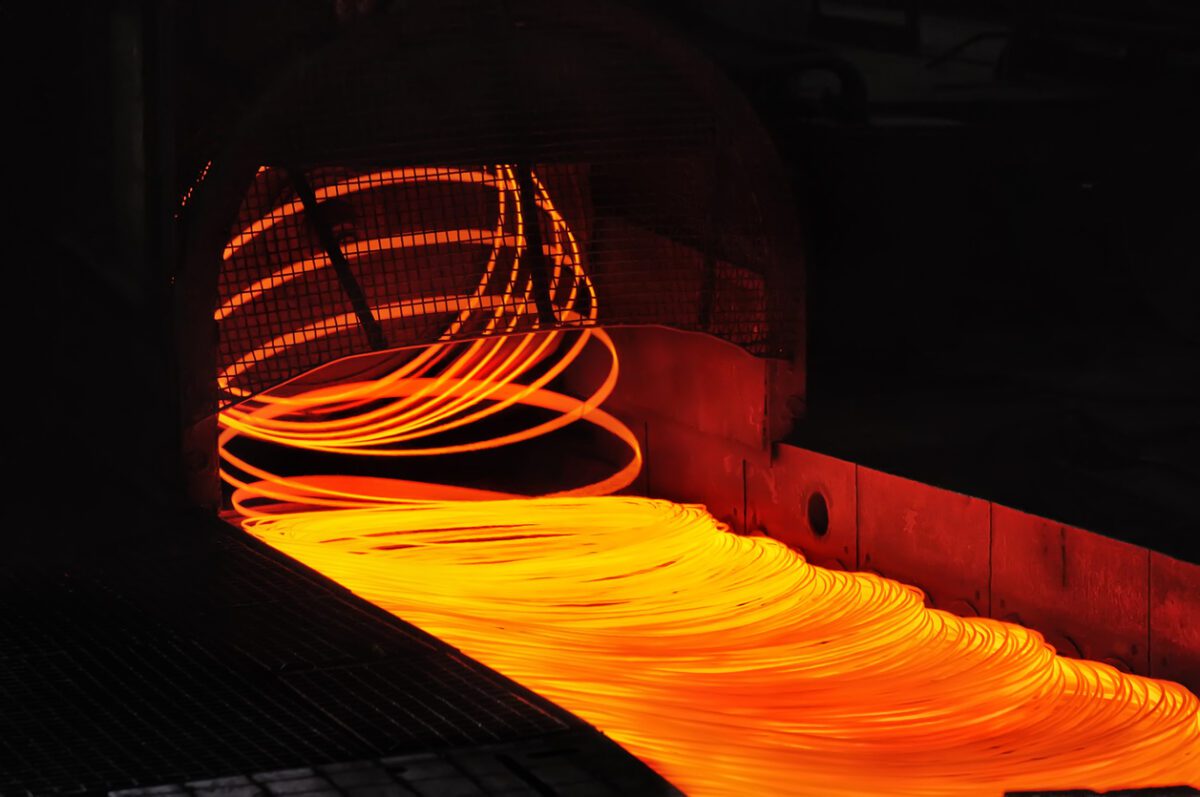
FRANKFORT, Ky. (March 28, 2024) – Today, Gov. Andy Beshear highlighted continued growth in Kentucky’s booming metals industry as SCS-2 LLC, a member of the Southern Coil Solutions family, announced plans for a new, cutting-edge $63 million distribution and transfer facility in Bowling Green, creating 28 new full-time jobs.

The project follows a July 2023 announcement of a $27 million investment to build a fully automated steel coil warehouse distribution and logistics center in Bowling Green. That announcement included the creation of 30 full-time jobs.

“I am thrilled to see continued investment to support the Southern Coil Solutions location in Warren County that was announced just last summer,” said Gov. Beshear. “This investment builds on our state’s strong infrastructure to support distribution and logistics operations, and I look forward to this new transfer facility being completed next year.”

The facility will be engineered to meet the needs of the company’s diverse clientele, featuring advanced automation systems for optimal coil storage and rail services capabilities. With a focus on safety, security and efficiency, SCS-2 is poised to serve the critical storage needs and transportation requirements of key sectors, including the rapidly evolving battery industry, essential for powering electric vehicles and renewable energy systems. The facility is expected to be operational by June 2025.

Upon completion, the facility will be Leadership in Energy and Environmental Design (LEED) certified by the U.S. Green Building Council, showcasing Southern Coil Solutions’ commitment to sustainability and environmental responsibility.

“This new facility signifies more than just an expansion; it reflects our unwavering commitment to innovation and excellence,” said Mark J. Loik, CEO of SCS-2 LLC. “By selecting Bowling Green for this project, we leverage not only its strategic location and infrastructure within the Kentucky Transpark but also contribute significantly to local economic growth and industry diversification. Additionally, we are deeply grateful to our partner, CareGo, for their dedicated work and pivotal role in making this project a reality.”

Established in 2024, SCS-2 LLC is a frontrunner in automated storage and railway services for the metals industry, catering to sectors like automotive, food and beverage and battery production. The company’s facility, located in a strategic industrial area for easy access to major transport routes, spans over 300,000 square feet. Aimed at revolutionizing coil management within the rail industry, the company is committed to ongoing investment in technology and infrastructure to meet its clients’ diverse needs with safety, security and efficiency at the forefront. Serving key industries with high standards, the company ensures safe, efficient storage and handling solutions for materials critical to automotive production, food packaging and battery manufacturing.

Warren County Judge/Executive Doug Gorman highlighted the implications for the community: “Southern Coil Solutions’ investment is a game-changer for Warren County, promising not just economic growth but also a stronger, more resilient local workforce. We’re proud to welcome Southern Coil Solutions to our community and excited about the future collaborations and opportunities this new facility will bring.”

Bowling Green Mayor Todd Alcott recognized the potential of the project: “Southern Coil Solutions’ new facility represents a monumental stride in our ongoing efforts to attract high-tech industries to Bowling Green. Their innovative approach to materials handling will undoubtedly set a new industry standard, reinforcing our city’s position as an attractive destination for global companies.”

Bowling Green Area Chamber of Commerce President and CEO Ron Bunch mentioned the overall scope of the project: “It is great to see local investors continuing to grow their opportunities in Bowling Green. This addition to our community continues to solidify our region’s competitive advantage in our metals cluster. This is more than an investment in the metals industry; it’s an investment in the future of Bowling Green and Kentucky at large.”

CSX Manager of Industrial Development Jody Lassiter welcomed the project: “CSX welcomes Southern Coil Solutions to the Kentucky Transpark in Bowling Green. We look forward to providing rail service to the company’s new warehousing operations, helping enhance the region’s logistical capabilities and reaffirming our commitment to fostering economic growth and development in the area.”

SCS-2’s investment and job creation build on the best four-year period for economic growth in state history.

Since the beginning of his administration, Gov. Beshear has announced more than 1,000 private-sector new-location and expansion projects totaling over $30.5 billion in announced investments, creating more than 52,500 jobs. This is the highest investment figure secured during the tenure of any governor in the commonwealth’s history.

The robust job creation has been accompanied by rising wages across the commonwealth. The average incentivized hourly wage in 2022 and 2023 topped $26 in consecutive years for the first time.

Gov. Beshear has announced some of the largest economic development projects in state history, which have solidified Kentucky as the electric vehicle battery production capital of the United States: Ford Motor Co. and SK On’s transformative $5.8 billion, 5,000-job BlueOval SK Battery Park in Hardin County; AESC’s $2 billion, 2,000-job gigafactory project in Warren County; Toyota’s $1.3 billion investment in Scott County; and INFAC North America’s $53 million investment in Taylor County, among others.

The Governor’s administration also secured the largest General Fund budget surplus and Rainy Day Fund, as well as the most jobs filled in state history. Last year, Kentucky set the record for the longest period with the lowest unemployment rates in state history.

Kentucky also secured rating increases from major credit rating agencies Fitch Ratings and S&P Global Ratings, and Moody’s Investors Service upgraded Kentucky’s credit outlook from stable to positive.

This month, Site Selection magazine ranked Kentucky third nationally and first in the South Central economic development projects per capita in its 2023 Governor’s Cup rankings. Previously, Site Selection placed Kentucky first in the South Central region and top 5 nationally in its 2023 Prosperity Cup ranking, which recognizes state-level economic development agencies for their success in landing capital investment projects.

Gov. Beshear announced a “Supply Kentucky” initiative with the goal of boosting job growth, reducing costs and providing more security in the supply chains of our Kentucky companies.

To encourage investment and job growth in the community, the Kentucky Economic Development Finance Authority (KEDFA) today preliminarily approved a 10-year incentive agreement with the company under the Kentucky Business Investment program. The performance-based agreement can provide up to $560,000 in tax incentives based on the company’s investment of $63 million and annual targets of:

  • Creation and maintenance of 28 Kentucky-resident, full-time jobs across 10 years; and
  • Paying an average hourly wage of $30.63 including benefits across those jobs.

Additionally, KEDFA approved the company for up to $175,000 in tax incentives through the Kentucky Enterprise Initiative Act (KEIA). KEIA allows approved companies to recoup Kentucky sales and use tax on construction costs, building fixtures, equipment used in research and development and electronic processing.

By meeting its annual targets over the agreement term, the company can be eligible to keep a portion of the new tax revenue it generates. The company may claim eligible incentives against its income tax liability and/or wage assessments.

In addition, the company can receive resources from Kentucky’s workforce service providers. Those include no-cost recruitment and job placement services, reduced-cost customized training and job-training incentives.  

For more information on Southern Coil Solutions, visit SouthernCoilSolutions.com.  

A detailed community profile for Warren County can be viewed here.  

Team Kentucky

Manufacturers bullish on natural state; will workforce be ready?

A bird’s eye view of Arkansas economic development in 2024 would include some now-familiar landmarks — more growth in northwest Arkansas and in the state’s fast-rising steel industry, for starters — but also reveal new points of interest, in addition to challenges that continue to pose a threat to progress.

Those new points of interest begin with the amount of capital investment coming into the state from beyond its borders, and lately, there is much of it.

Manufacturers are choosing Arkansas and, better yet, companies that already have a presence in the state are choosing to double down on their initial investments, said Randy Zook, president and CEO of the Arkansas State Chamber of Commerce and the Associated Industries of Arkansas.

“You’re seeing a lot, and I mean an enormous amount, of capital investment in Arkansas,” he said. “Most of that is being made by existing in-place businesses. We’ve got several billions of dollars of capital investment going on across the state, and that’s everything from refurbishing and remodeling sawmills in south Arkansas to the expansion of the Albemarle [chemical manufacturing] plants in Magnolia, which is a $550 million project on its own, to the Exxon investment in lithium development prospects, as well as Standard Lithium and Lanxess together. That whole industry, there’s probably $3 billion in play just in that industry alone down there already. It’s just beginning to kind of take off.”

Then there is steel in Mississippi County, now recognized as the No. 1 steel-producing county in the nation. Nucor became the first to set up shop there in 1988. In 2017, Big River Steel opened a $1.3 billion mill and, the following year, announced a $1.2 billion expansion. U.S. Steel acquired Big River in 2021 and is building a second mill in the county that will employ 1,000 and require roughly 3,000 local construction workers to help build it.

Last fall, U.S. Steel introduced a new electrical steel line to accommodate electromagnetic devices such as the motors found in electric cars. The impact of this new line alone is expected to top $5.2 billion over four years. Majestic Steel is building a mill in the county, and a new player, Hybar, announced last year that it will build a $2 billion sustainable scrap-metal steel rebar mill in Osceola.

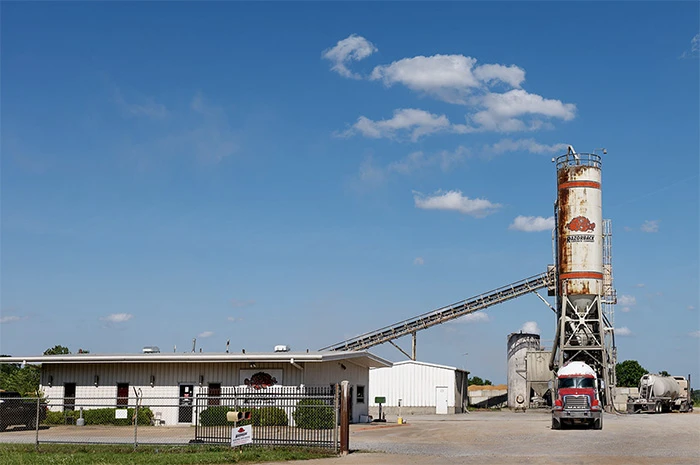
Mitch Parrish, chief operating officer of Missouri-based FHC Ready Mix – East, the parent company of Razorback Concrete, the firm pouring the concrete for the second Big River and Hybar mills, said Mississippi County currently is home to one of the largest concrete pours in the nation. He declined to say how much is being poured but said, “Arkansas has been very good to us.”

Parrish said his company’s work in Mississippi County should wrap this summer. FHC employs just under 400 people, Parrish said, including about 150 in Arkansas. Razorback Concrete, based in West Memphis with locations across the state, also worked on the Lowe’s distribution center in central Arkansas, another recent big win for Arkansas economic developers.

“It’s been challenging, but we’ve been very pleased with how things have gone in Arkansas,” Parrish said.

Zook said he would give the state a letter grade of A-minus for homegrown new business. As for pulling in new business from outside the state, “I’d say we’re a B-plus but getting better.”

In central Arkansas, he noted the Lowe’s project, Amazon distribution centers on both sides of the Arkansas River, Trex’s soon-to-go-online decking and railing manufacturing plant, Dollar General and Tractor Supply distribution centers, and major expansion from Little Rock-based Westrock Coffee Co. in Conway and Maumelle.

In Fort Smith, the Ebbing Air National Guard Base at Fort Smith Regional Airport is undergoing $800 million in new construction to accommodate its new status as the new home of the U.S. Air Force’s Foreign Military Sales program. Pilots from allied countries that purchase aircraft from the U.S. military should begin showing up in Fort Smith later this year to begin training.

Zook said the area should see a lot of growth tied to the program, which is expected to deliver an economic impact of more than $1 billion a year. He added that the expected growth will provide impetus for completion of the Interstate 49 extension and expansion from Alma across the Arkansas River to Barling, opening the east side of Sebastian County for future development.

“Around the rest of the state in lots of places, there’s capital investment, all we can keep up with,” Zook said. “The casinos are all building or expanding. West Memphis has got that big new events center coming up. Saracen’s got a big new facility coming out of the ground in Pine Bluff. It’s just amazing, and those are all existing companies. Those are not new move-ins. You’ve got the Hostess plant in Arkadelphia and 200 to 300 jobs. Hot Springs is doing great, and they’re about to get that big water project completed, which is going to open them up for new development and expansion.”

Northwest Arkansas, of course, is familiar with the kind of economic momentum starting to envelop the rest of the state. Thanks to the region’s big three — Walmart, Tyson Foods and J.B. Hunt — new residents continue to arrive from across the country.

Nelson Peacock, president and CEO of the Northwest Arkansas Council, a nonprofit entity that works to advance economic development opportunities and quality of life in the region, said indications point to the area continuing to grow economically and in population throughout 2024 and beyond. Since the 1970 census, the region has experienced 10-year growth cycles of 35.8 percent, 38.4 percent, 17.1 percent, 46.2 percent (between 1990 and 2000), 35.3 percent and 24.2 percent. Over the first two years of the current decade, the three-county area has already seen 5.4 percent growth and boasts an estimated 2022 population of more than 576,000.

In the next few decades, northwest Arkansas is expected to surpass greater Little Rock as the state’s primary population center.

“The region continues to add around 36 people per day, and regional leaders will need to ensure there are policies in place to accommodate the growth while preserving the character of the communities that make NWA special,” Peacock said.

Growth is evident everywhere one looks. Two of the biggest construction projects in the state are ongoing in Bentonville with Walmart’s new, Google-like corporate campus and the holistic Alice L. Walton School of Medicine. Plus, Tyson is consolidating its corporate offices and bringing in workers to its Springdale headquarters from other states, and industry leaders like J.B. Hunt, Simmons Foods and George’s are experiencing growth.

“It’s hard to overstate the impact these projects will have on northwest Arkansas,” Peacock said. “Walmart’s investment in its new home office is demonstrating to the world that Bentonville will continue to be the center of the retail world for decades to come. The investment the company is making in the community is simply incredible. At the same time, the Alice L. Walton School of Medicine represents a potential generational change. The school will be able to recruit the best and brightest students from around the world to Arkansas to learn how to practice medicine in a new way. The health care community is working hard right now to create the type of ecosystem that can retain those physicians in Arkansas after they graduate.”

Promoting growth has not been the issue in northwest Arkansas — accommodating it has. The only question surrounding regional growth is if the region can keep up with all the growth. Peacock said NWA needs significant investments in its infrastructure, both the physical and social kind.

“City officials will have to work closely together as their jurisdictions continue to grow together,” he said. “Leaders must continue to address housing affordability challenges, ensuring there is enough high-quality, attainable housing for the essential workforce in and around downtowns and employment centers. Investments are also needed to improve roads, trails and water infrastructure, and, with respect to social infrastructure, with the influx of new residents and demographic shifts, it’s important to ensure everyone who chooses to live here feels like they belong.”

Peacock said the region’s entrepreneurial ecosystem represents an important developing area and added that a supportive environment that drives and nurtures innovation could result in America’s “next great company” being launched.

“There is still a ton of momentum in northwest Arkansas,” he said. “The economy is strong, and communities continue to make the investments in amenities like trails and schools that improve quality of life for residents. As the region continues to grow, there is some anxiety about NWA losing what has made it special all these years. Maintaining that character and charm will require a concerted effort by our leaders to make smart, forward-looking decisions to grow the right way. The growth will continue, and the question is how do we use that to our advantage?”

Establishing a sufficiently trained workforce to meet the demands of the state’s recent economic growth remains the state’s biggest challenge, said Michael Pakko, chief economist and state economic forecaster for the Arkansas Economic Development Institute at the University of Arkansas at Little Rock and the Libertarian candidate for state treasurer.

“Workforce development is always an issue with the state’s employers, particularly those in manufacturing,” he said. “Recent labor shortages have shown how the lack of available workers can impede business growth and expansion. As the baby-boom generation continues to retire, we need good training programs, apprenticeship programs, etc., to make sure we have an adequate supply of trained personnel in the pipeline. On the other hand, technological development continues to drive more automation in manufacturing, lessening the demand for some labor-intensive manufacturing processes and personnel than in the past.”

Zook said Arkansas is not unique in its workforce challenges, including those caused by the COVID-19 pandemic.

“Every state has the same challenge. The U.S. is basically talent starved,” he said. “We need more people in the workforce. The labor force nationally continues to go down, not up. COVID, as it did everything, aggravated that situation. We have tens of thousands of high-wage, high-demand jobs across the state that we cannot fill because people willing to do the work and able to do the work are simply not presenting themselves in adequate quantity. The people who are working are incredibly talented and top-notch. It’s the ones who are not working or who are underemployed that are the challenge.”

Zook said the state needs more Arkansans graduating high school prepared to do entry-level kinds of jobs at which they can advance and build careers.

“We have companies that are willing to invest heavily in talent improvement and development and skills acquisition and will pay for it if you’re on their payroll, but you’ve got to be working, and you’ve got to be showing up,” he said. “We’ve just got a challenge in getting more young people to pursue these opportunities. First of all, we need more kids. We need more babies. Our birth rate nationally is below the replacement rate, and that’s not sustainable long term.”

On the flip side, the state added 19,000 new residents last year, Zook said.

“We’ve had a really good growth in population faster across the state than in the prior decade, and that’s good. We added a little over 18,000 people just last year, which is much faster than the prior decade, and it’s more widespread across the state, not just concentrated in northwest Arkansas,” he said. “We’ve got population growth got population growth and growth in the gross domestic product of the state, which went up 11.1 percent last year, the ninth-best performance of all 50 states in terms of percentage of growth in our economy. We were a top-10 state last year. We’re not typically in that kind of ranking.”

Arkansans have long considered their home state to be a well-kept secret. With an influx of new residents and capital investments in Arkansas, the secret may be out. Zook attended the first-annual Arkansas Lithium Innovation Summit in Little Rock in February. The event drew industry officials and investors from across the globe to central Arkansas.

“It was an overwhelming success,” Zook said. “It was sold out with people screaming to get in who couldn’t get in and people trying to scalp tickets. It was crazy. People came from, literally, all over the world. We had people from both coasts, nearly every major finance center in the country and people from Africa here to investigate that possibility and figure out ways to participate in it.”

Policy matters, Zook said, and state leaders have figured out how to maneuver the landscape in terms of tax burdens and the “nuts and bolts of government and how it operates and affects business.”

The state’s regulatory environment is constructive and effective, and that attracts capital, he added.

Zook said the state’s message at the lithium summit was that it is open for business, and the message made an impact. He said one investor told him that capital goes where it’s wanted, and Arkansas made it clear that capital is wanted — capital, Zook added, that can trickle down.

“We’ve got a tax regimen that’s much more accommodating and much more attractive, and that’s what’s generating this economic activity,” he said. “That all adds up to a bigger pie, better opportunities and better employment opportunities for young people, as well as people in mid-career or nearing retirement. We’ve got a lot going on, and for the most part, it is incredibly effective and good.

“People are discovering Arkansas. That’s the only way to phrase it. All of the outdoor recreation activity emphasis is attracting people. Our tourism and hospitality businesses are all busier. State parks are packed. People are finding Arkansas as a heck of a nice place like we’ve always known, and a lot of it is driven by pressure from Texas. When Texas adds 400,000 to 500,000 people in a year, some of it pushes up on us, and that’s a good thing. We bask in their shadow.”

Cotton to Steel

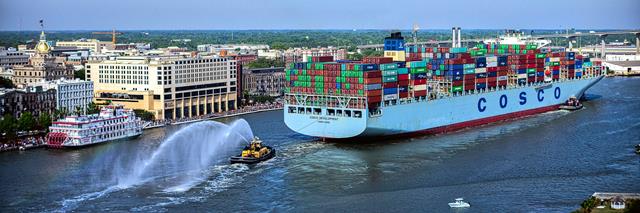
Officials: Bridges near Georgia’s ports protected from ship strikes

SAVANNAH ― Trey Thompson’s telephone rang very early Tuesday morning with a call from Georgia Ports Authority CEO Griff Lynch.

Both men had awoken to the news that a cargo ship had struck a Maryland bridge near the Port of Baltimore overnight and caused the span to collapse, plunging several vehicles into the Patapsco River.

“Tell me what we do different,” Lynch asked Thompson, the president of the Savannah Pilots Association, whose members guide cargo ships in and out of the Port of Savannah, including beneath the city’s iconic Talmadge Bridge.

“We can’t hit the bridge,” Thompson replied before going on to explain how the Savannah bridge’s supports sit outside the shipping channel. “We’d run aground long before something like that happened.”

“I feel better,” Lynch said.

AJC.com

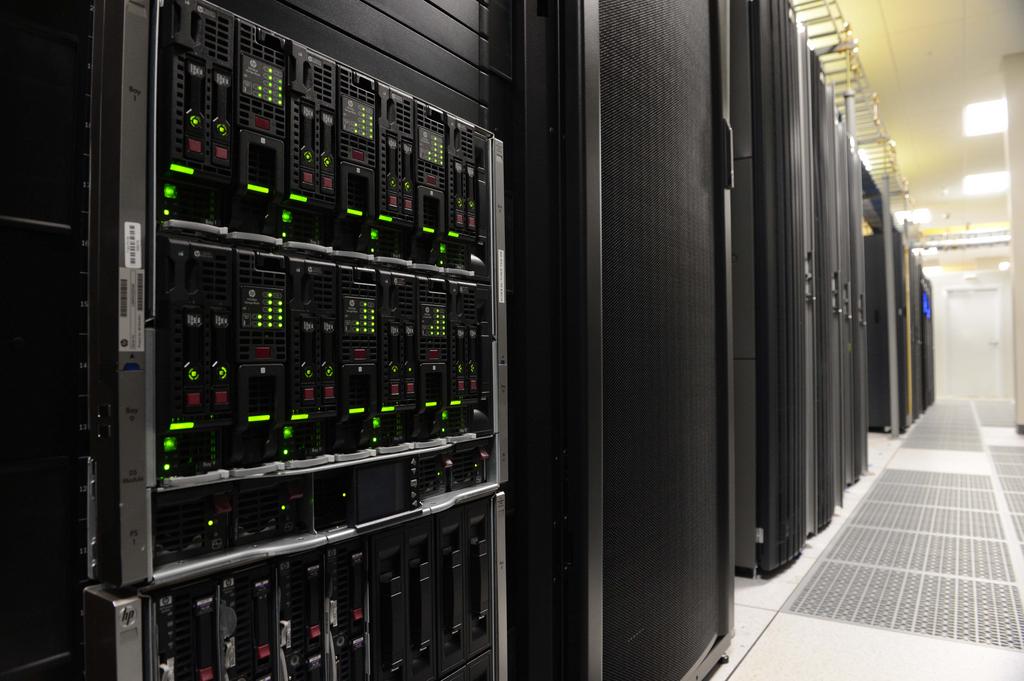
Atlanta data center market fastest growing in US, per CBRE report

Atlanta’s data center market is growing faster than any other in the United States, according to a report by CBRE.

Data center projects under construction in Atlanta increased by 211% between 2022 and 2023, per the report. That was the largest increase in the country.

The report looks at “data centers that are built to be rented out to either a single tenant or multiple tenants,” said Gordon Dolven, CBRE’s data center research leader, in a prepared statement. CBRE does not track retail colocation, or small data centers and self-built centers.

While Atlanta accounts for only 6% of the primary market inventory for data centers, the city has a lot of projects that are planned or under construction.

“Demand has exploded,” Dolven said in an interview with Atlanta Business Chronicle. “We are generating and consuming more data than we ever have in the history of the internet.”

Atlanta Business Chronicle

UAW president meets with Alabama Mercedes workers amidst union drive: ‘We’re gonna win in the South’

The president of the United Auto Workers visited Alabama this weekend in the midst of the union’s biggest push at the state’s first auto plant.

UAW President Shawn Fain, and Region 8 Director Tim Smith, met with workers at the UAW union hall in Coaling, according to the UAW social media page at X.

Fain, who became the UAW president last year, led the union during 2023′s 46-day strike against the Big Three American automakers.

In an interview with Car and Driver Sunday, Fain said he thinks the ongoing campaign will result in gains for union members with international automakers similar to those seen with the Big Three in the U.S.

AL.com

Alabama saw $6.4 billion in economic development in 2023, report says

Companies locating and expanding operations in Alabama last year pumped about $6.4 billion into the state’s economy, according to a new report out by the state’s Department of Commerce.

In all, 184 projects in 43 counties will create 8,095 jobs, according to the 2023 Alabama New and Expanding Industry Report, out today.

Gov. Kay Ivey, in a statement, said the report was no occasion for “a victory lap.”

“We continue to make significant progress in our mission to create solid career opportunities for Alabama citizens and to inject economic vitality into cities and communities across the state,” Ivey said. “I’m proud of the fact that since I have been governor, we have seen $49 billion invested in Alabama, which has created some 87,000 new jobs.”

Ivey also set a deadline of Oct. 1 for Commerce Secretary Ellen McNair to develop a new economic development strategic plan.

Alabama’s automotive sector continues to grow, with 1,700 new jobs added last year, along with 1,000 in metals and 700 in information technology.

Foreign direct investment is also surging, with about $3 billion – almost half of last year’s investment total – coming in from companies based in South Korea, Sweden, Germany and other countries.

AL.com